
For many aspiring entrepreneurs, the dream of business ownership starts with a simple question: should I launch my own independent business, or invest in a franchise? Both paths offer the promise of financial independence and personal freedom, but they also come with unique challenges.
The truth is, there’s no one-size-fits-all answer. The right choice depends on your goals, skills, resources, and appetite for risk. To help you make an informed decision, let’s explore the key differences between starting from scratch and joining a franchise system.
Starting Your Own Business: Freedom and Flexibility
Launching an independent business gives you maximum freedom. You get to decide the concept, create your own branding, design the customer experience, and experiment with offerings. For creative entrepreneurs who love building from the ground up, this independence can be deeply rewarding.
However, freedom also means responsibility. Independent owners must handle everything themselves — from writing the business plan to developing systems for training, marketing, and operations. Without an established model, mistakes can be costly. Research from the U.S. Bureau of Labor Statistics shows that about 20% of small businesses fail within their first year, and roughly half close within five years. The challenge isn’t always passion, but sustainability.
Franchising: Structure and Support
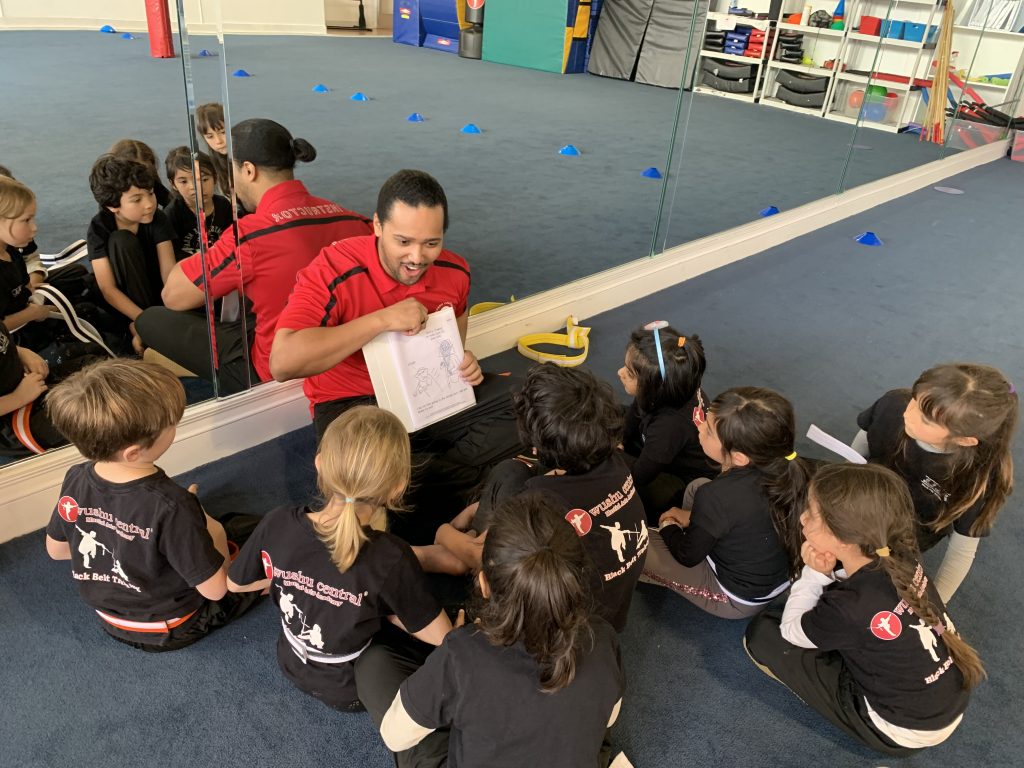
Franchising offers a very different path. When you invest in a franchise, you’re buying into an established system. The branding, training programs, and operational playbook are already in place. This structure allows you to focus less on inventing and more on execution.
One of the biggest advantages is support. Franchisors provide onboarding, marketing assets, technology systems, and ongoing coaching. This reduces the learning curve and gives franchisees a stronger chance at success compared to starting on their own. The International Franchise Association reports that franchises generally have higher survival rates than independent small businesses, thanks to the strength of their established systems and support networks.
Of course, structure comes with limits. Franchisees must follow the system. There’s less room for experimentation, and certain creative freedoms are restricted. For entrepreneurs who want to innovate constantly, this can feel restrictive. But for those who want guidance and a clear path, franchising provides confidence.
The Financial Picture
When comparing independent ownership to franchising, cost is always part of the conversation. Independent owners may think they’re saving money by avoiding franchise fees. But the reality is often the opposite.
Starting from scratch means investing heavily in trial and error — creating marketing strategies, building brand recognition, and designing systems. These hidden costs can quickly add up. With franchising, there are upfront fees and royalties, but you gain access to systems that are already established and refined. The return on investment often comes faster because you don’t have to reinvent the wheel.
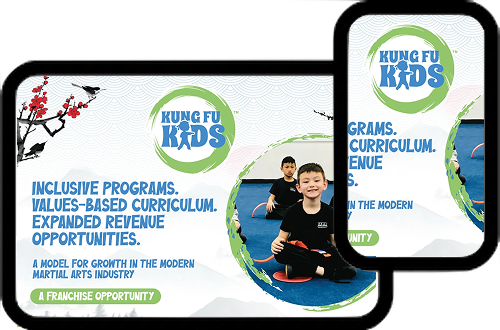
Low-cost franchises in particular can strike the right balance. Opportunities like Kung Fu Kids Franchise offer a lower initial investment than traditional franchises while still delivering strong community impact and profit potential.
Risk and Resilience
Independent businesses face the highest levels of risk. Without brand recognition, customer trust takes time to build. Marketing is harder and more expensive when no one knows your name. And without an experienced support team, owners must navigate challenges alone.
Franchisees, by contrast, benefit from collective strength. A brand that’s already trusted in the market gives new owners credibility from day one. Ongoing training and a network of fellow franchisees provide guidance when challenges arise. As the Harvard Business Review explains, entrepreneurs who leverage established systems and strong support networks are far more likely to survive and thrive than those who go it alone.
Lifestyle Considerations
Another factor is lifestyle. Independent owners spend significant time building systems before they can focus on growth. This often means long hours, especially in the first few years.
Franchisees, on the other hand, step into a business with established systems, allowing them to focus more quickly on management and growth. Many franchise models — especially in service industries like children’s activities — are designed for work-life balance. Owners can be present for their families while still growing a business that makes a difference in their community.
Community Impact
Both independent businesses and franchises can impact their communities, but franchises have a unique advantage in scale. Because the systems are replicable, franchise owners can expand to multiple locations and reach more people.
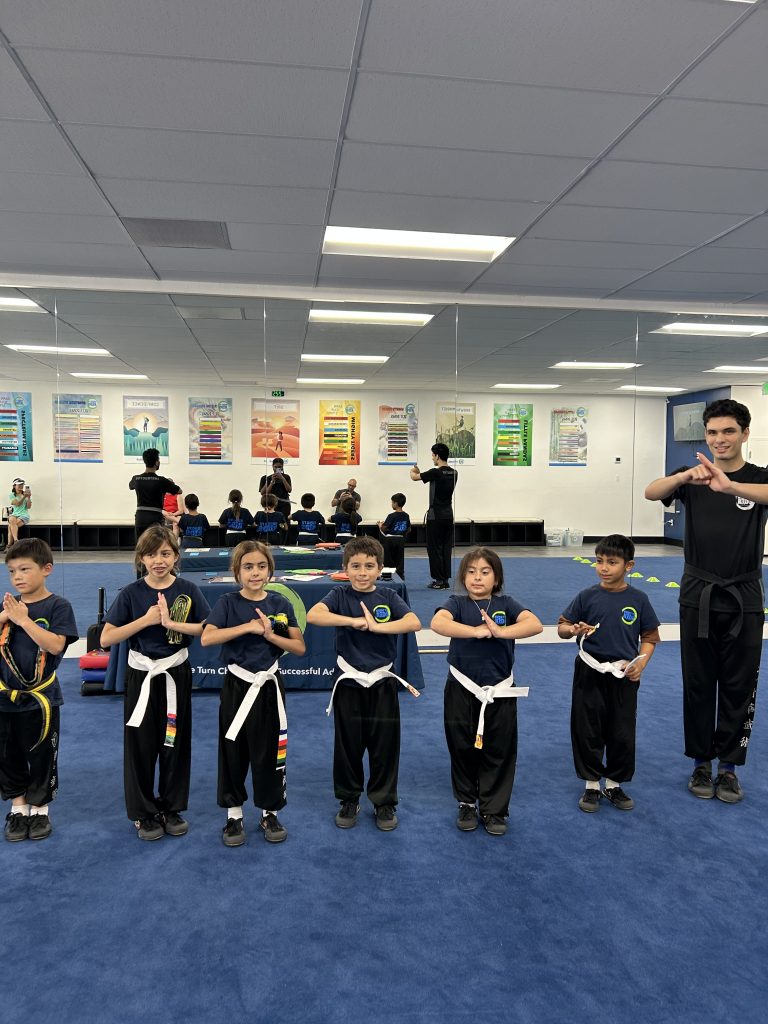
This is especially true in mission-driven sectors like children’s enrichment. Programs such as Kung Fu Kids help children build confidence, discipline, and leadership. Parents see real value in these services, making them resilient even in uncertain economic times. For owners, it’s a chance to combine financial growth with meaningful impact.
Which Path Is Right for You?
If you thrive on creativity, don’t mind risk, and are willing to spend years building systems from scratch, starting an independent business may be your best fit. You’ll have full control, and the satisfaction of knowing you built something entirely your own.
If you prefer structure, established systems, and a higher likelihood of long-term success, franchising is likely the better path. It’s not about giving up freedom — it’s about choosing a guided path that increases your odds of success.
Final Thoughts
At the end of the day, both franchising and starting an independent business can lead to financial independence and fulfillment. The choice depends on what you value more: total creative freedom or structured support.
For many entrepreneurs, franchising strikes the perfect balance. With brands like Kung Fu Kids Franchise, you can step into ownership with lower risk, ongoing support, and a mission-driven program that parents and children love.
👉 Fill out the form below to learn more about how Kung Fu Kids Franchise can help you achieve your entrepreneurial goals.