
For many aspiring entrepreneurs, the biggest question isn’t whether to start a business — it’s how. Should you create an independent small business from scratch, or invest in a franchise system? Both paths can lead to financial independence and personal fulfillment, but they differ in risk, structure, and support.
Let’s take a closer look at the differences between franchising and traditional small business ownership, and why a franchise like Kung Fu Kids Franchise may provide the balance of independence and guidance many entrepreneurs are looking for.
The Appeal of Independent Small Business Ownership
Starting an independent business offers maximum freedom. You decide the brand, the product, the customer experience, and every detail of operations. For creative entrepreneurs, that blank slate can feel liberating.
But with freedom comes risk. According to the U.S. Bureau of Labor Statistics, around 20% of small businesses fail in the first year, and about half close within five years. The challenge isn’t passion — it’s building sustainable systems without established guidance.
Independent owners must handle everything: product development, marketing, training, and financial management. This steep learning curve explains why many businesses never reach their full potential.
The Franchise Advantage
Franchising takes a different approach. Instead of building everything yourself, you buy into an established system with proven processes, brand recognition, and ongoing support.
The International Franchise Association notes that franchises typically have higher survival rates than independent businesses because franchisees benefit from collective resources. You don’t need to invent a marketing plan, curriculum, or operational systems — they’re already in place.
Franchisees still own their business, but they operate within guardrails designed to increase success and reduce risk.
Costs: Independent vs. Franchise
At first glance, some entrepreneurs believe independent businesses are cheaper to start. And while it’s true you don’t pay franchise fees or royalties, the reality is often the opposite.
Independent owners must spend heavily on trial-and-error marketing, branding, and system development. These hidden costs can exceed the upfront investment of a franchise.
Franchisees, on the other hand, pay initial fees and ongoing royalties but gain access to systems that save years of time and mistakes. With Kung Fu Kids Franchise, the estimated investment of $213,550 to $396,800 provides not just a business, but a tested curriculum, comprehensive training, and brand credibility that parents trust.
Creative Freedom vs. Structured Guidance
Another major difference is the balance of freedom and structure. Independent owners have full creative control but must build every process themselves. This appeals to innovators but can be overwhelming.
Franchisees follow an established model, which limits some creativity but also removes guesswork. The Harvard Business Review emphasizes that structure is one of franchising’s greatest strengths, helping entrepreneurs scale faster and avoid costly mistakes.
For many, the right question isn’t “Do I want total freedom?” but rather, “Do I want a better chance of long-term success?”
Support and Training
Independent owners are on their own when challenges arise. They must rely on personal networks or consultants for help.
Franchisees, by contrast, benefit from ongoing training and support. This may include marketing assets, operational coaching, peer networks, and field representatives who guide performance. According to Franchise Business Review, support is one of the top factors franchisees cite in their satisfaction and long-term success.
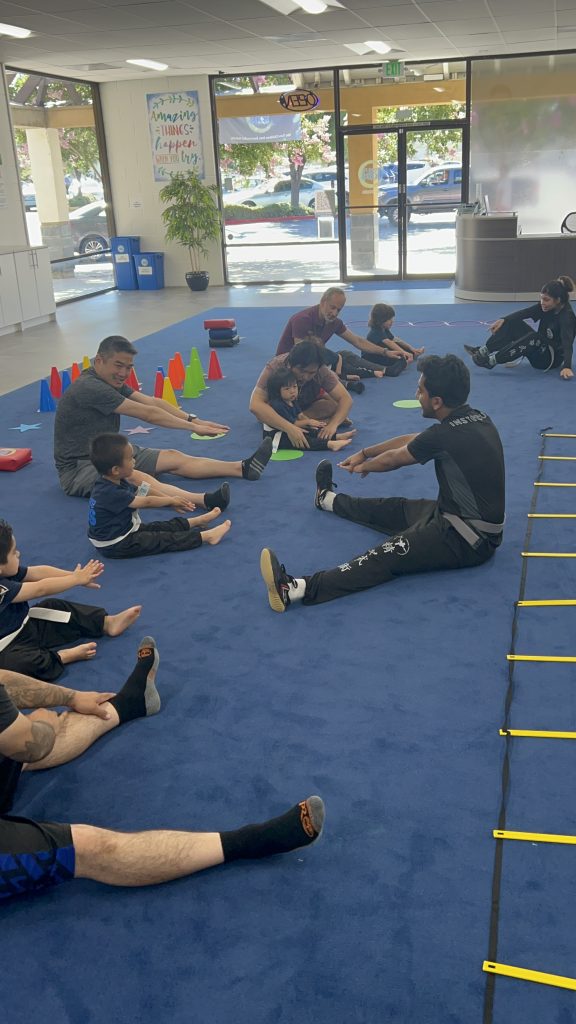
With Kung Fu Kids, franchisees receive comprehensive onboarding plus continuous updates to curriculum and business strategies, ensuring they’re never left without guidance.
Community Perception
Consumers often trust franchises more than unfamiliar independent businesses. A recognized brand signals consistency, professionalism, and reliability. Parents in particular want reassurance when choosing programs for their children.
By aligning with a brand like Kung Fu Kids, franchisees start with credibility that can take independent businesses years to build.
Which Path Is Right for You?
There’s no single right answer. Independent business ownership may be a good fit if you crave total creative control and are comfortable with higher risk. But if you want a balance of independence and support, franchising is often the smarter choice.
Children’s enrichment franchises, like Kung Fu Kids, are especially appealing because they deliver both purpose and profit. Owners get to build financial independence while also making a meaningful difference in children’s lives.

Final Thoughts
Starting a business is one of the biggest decisions you’ll ever make. Choosing between independent ownership and franchising comes down to your appetite for risk, your desire for support, and your long-term goals.
With Kung Fu Kids Franchise, you don’t have to choose between purpose and profit, or between freedom and guidance. You get an established system, comprehensive support, and a mission-driven brand that empowers children while helping you achieve financial independence.
👉 Fill out the form below to learn more about franchise opportunities with Kung Fu Kids and take the next step in your entrepreneurial journey.